


On paper, Israel is under ceasefire arrangements with Hamas in the Gaza Strip and Hezbollah in Lebanon. In practice, both fronts saw significant attacks Saturday, including an Israeli strike that killed a senior Hamas military operative in Gaza and airstrikes deep inside Lebanon’s Bekaa Valley. A third front — Iran — continues to loom, with Israeli officials increasingly concerned that Tehran is preparing for the next round of confrontation.
Israel has recently intensified strikes against Hezbollah, reflecting frustration over what Jerusalem views as the Lebanese government and army’s failure to enforce the ceasefire terms and disarm the terrorist organization. Israeli attacks have focused on areas north of the Litani River, the Bekaa Valley and parts of southern Lebanon.
IDF strike in southern Lebanon
(Video: IDF)


American engagement is more limited than in past rounds, prompting criticism from international actors who say Washington is not monitoring the agreement’s implementation closely enough. The arrival of a new U.S. ambassador to Lebanon, Michel Issa, has raised expectations in Jerusalem that Washington will press Beirut to take a firmer stance. The United States also canceled a planned visit to Washington by Lebanon’s military chief after he referred to Israel as “the enemy.”
Israeli officials point to structural problems within the Lebanese Armed Forces. A large part of the force is drawn from Shi'ite communities, making direct confrontation with the Shiite Hezbollah politically and socially difficult. Salaries are another challenge: Lebanese soldiers earn about $200 a month, while Hezbollah fighters earn roughly triple that amount. Many soldiers work second jobs and have little incentive to challenge the group.
Lebanon’s broader economic crisis, and fears of state collapse or civil war, further constrain decision-making. Hezbollah continues to exploit this environment to expand its influence and smuggle weapons into Lebanon. Syria has attempted to interrupt some shipments since the Assad regime weakened, but it remains unable to fully prevent them.
Israel’s stated approach is to avoid waiting for violations to escalate and to respond forcefully when they occur. In recent days the Israel Defense Forces have carried out a sustained wave of strikes, killing two Hezbollah operatives and targeting additional sites. Hezbollah has warned it will not tolerate further Israeli attacks, and the IDF is preparing for several days of fighting if the group escalates.
Israel would prefer to apply the Lebanese model in Gaza, but conditions there are more complicated. The United States wants to move to the second phase of the ceasefire framework. Israel is resisting, citing Hamas’ failure to return the bodies of three slain hostages. Israeli officials say the group has not made serious efforts to locate and transfer the remains.
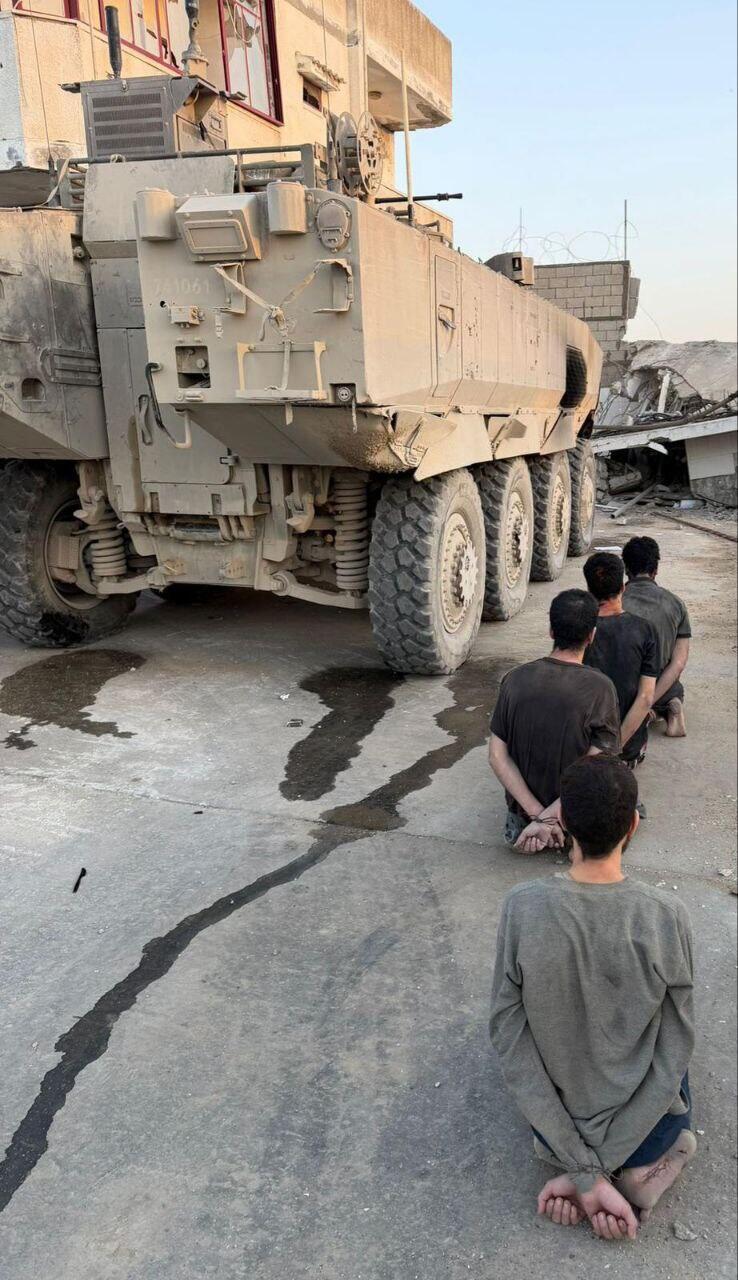
Israel has adopted a policy of responding firmly to any violation in the strip to signal that Hamas will not be allowed to reconstitute its capabilities. After terrorists crossed the “yellow line” — a restricted zone — and opened fire in separate incidents, the IDF launched widespread strikes. Among those targeted was Abu Abdallah al Hadidi, the head of operations in Hamas’ weapons procurement unit. Separately, all 17 terrorists who emerged from tunnels in the Rafah area, which is under Israeli control, were killed or arrested.
The second phase of the ceasefire would require steps to ease conditions in Gaza, including reopening the Rafah crossing, expanding humanitarian aid, allowing movement in and out of the enclave and eventually pulling back to a new line once an authority capable of managing the territory is in place. Once an internationally backed stabilization force is formed — now approved by the UN Security Council — pressure to implement the next phase is expected to grow. Foreign troops, likely from Arab and Muslim countries rather than Western states, are expected to arrive within weeks for training.
However, many Arab states are reluctant to contribute forces out of concern that they will be drawn into direct clashes with Hamas, which refuses to disarm. During recent cabinet discussions in Jerusalem, ministers were told that Hamas will not give up its weapons voluntarily. Some said that if the United States cannot achieve that outcome, Israel will have to.
Israel is also racing to shape conditions on the ground before foreign forces arrive, since responding to violations will become more sensitive once international troops are present. Despite Hamas statements to Arab media, Israeli assessments indicate that Saturday’s escalation in Gaza was likely localized. The ceasefire remains fragile, but neither side currently appears to seek a full rupture.
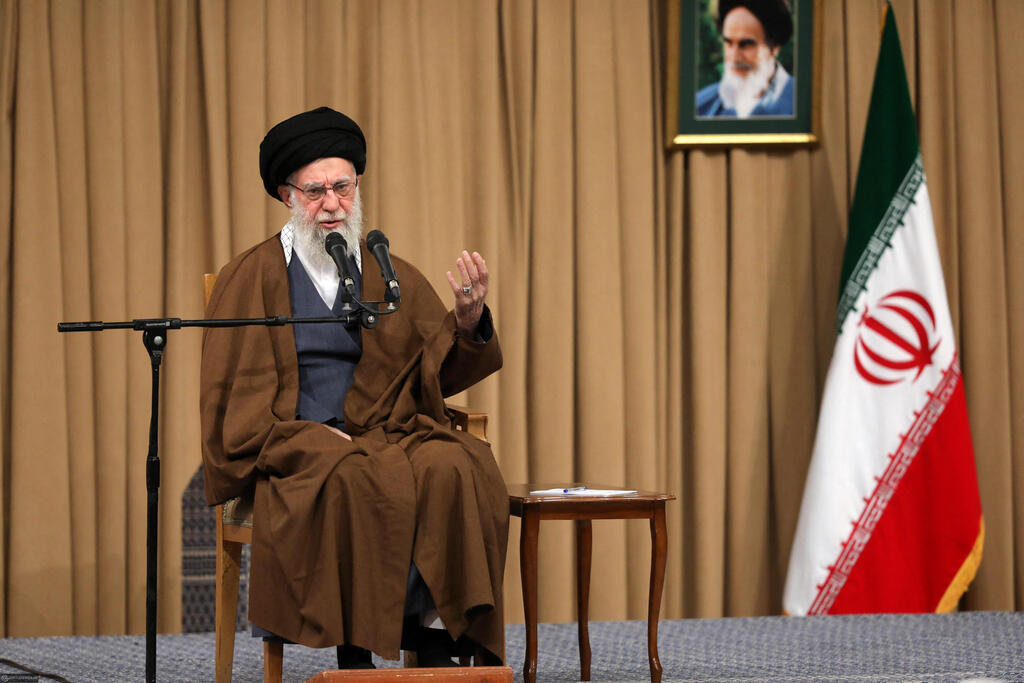
The third, and potentially most volatile, front lies with Iran. Israeli intelligence assessments indicate Tehran is working to rebuild its ballistic missile program to maintain the ability to strike Israel’s home front. International officials warn of the risk of miscalculation, with either Israel or Iran launching a preemptive strike out of fear the other is preparing one.
Diplomatic efforts are underway to reduce that risk, but Iranian leaders do not trust Israel and believe the IDF may be planning its own preventive action. Israeli officials say that although the United States maintains a presence at the joint command center in Kiryat Gat and U.S. Central Command is active across the region, Washington does not appear fully attuned to the potential for escalation.
Across all three fronts, Israel sees a narrow window to influence the strategic landscape before external actors, especially foreign forces in Gaza, limit its freedom of action. The ceasefires may still hold, but the tensions beneath them remain far from resolved.